
What is felony disenfranchisement?
Felony disenfranchisement, or the revocation of the right to vote upon conviction of a felony, was added to the Georgia State Constitution in 1868 – just after the 14th amendment to the US Constitution granted full citizenship and equal protection under the law to formerly enslaved people.
The 13th amendment, ratified in 1865, abolished slavery “except as punishment for a crime.” Southern states rushed to enact Black Codes, laws created to restrict the rights and freedoms of newly freed Black people, who were subsequently arrested and “leased” out to private enterprises, establishing the system of “convict leasing” as a means to replace slavery.
Denying the right to vote was never about public safety. It was about undermining the political power of Black people. This policy continues to disproportionately impact people of color due to racial bias in each and every stage of the criminal legal system.
It’s time we acknowledge and reckon with the purpose of felony disenfranchisement. Taking away the right to vote due to an unrelated criminal conviction undermines the very foundation of democracy. Let’s put this chapter of Georgia’s history behind us.
WHAT CHANGE DO WE WANT TO SEE?
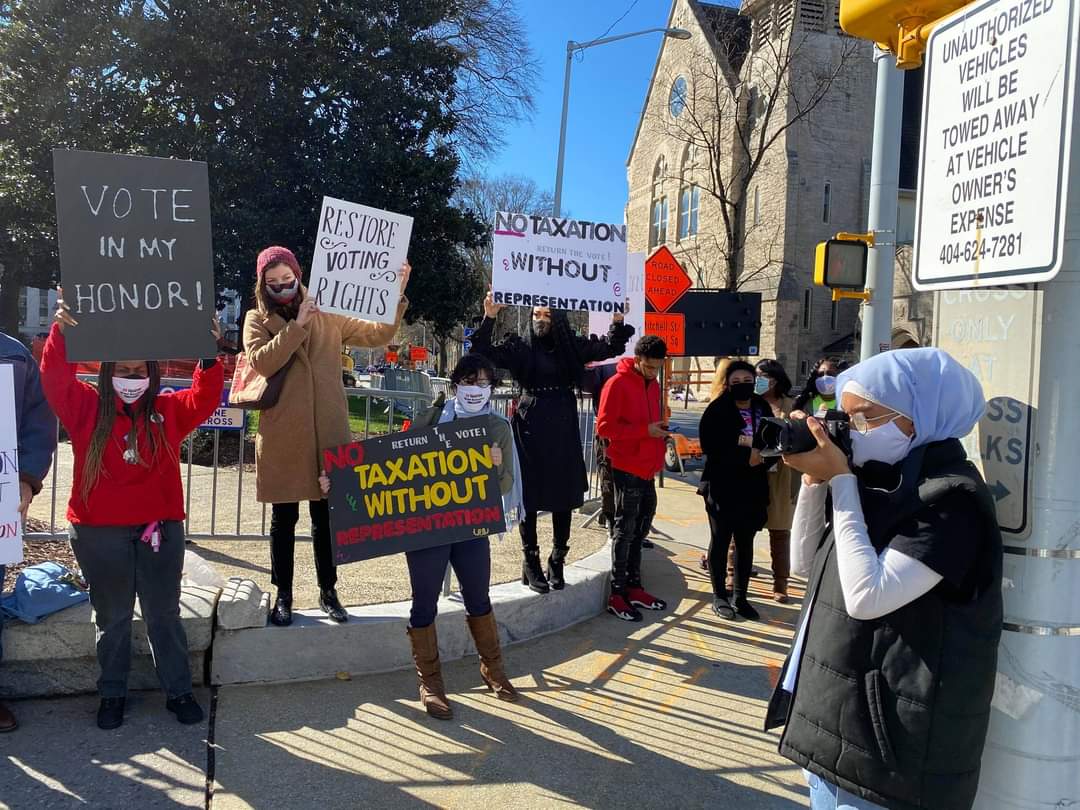
The Rights Restoration Coalition of Georgia seeks to repeal felony disenfranchisement and restore ALL civil rights upon release from prison.
ABOUT THE ISSUE:
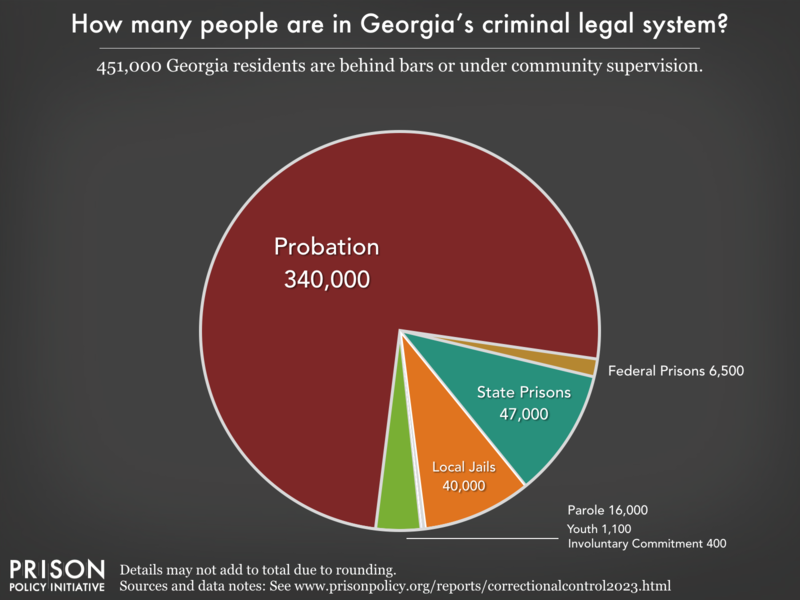
Georgia has one of the highest rates of felony disenfranchisement in the country, with nearly 250,000 Georgians unable to vote due to a felony conviction. Most of us live and work in our communities, pay taxes, and support our families—yet remain completely excluded from policy decisions that affect all our lives. It’s time for that to change.
Under Georgia law, people lose the right to vote upon conviction of a felony and cannot register to vote until the sentence is complete, including probation and parole. However, we have more citizens per capita on probation than any other state, and our probation sentences are three times longer than the national average. These sentencing practices drive our rate of disenfranchisement as high as states who continue to deny the right to vote to people post-sentence.
THE PATH FORWARD
We seek broad, bipartisan support to ensure every Georgian can fully rejoin civic life through common-sense, pro-democracy reform that strengthens communities and advances racial justice. It’s time we moved past the outdated and discriminatory roots of Georgia’s disenfranchisement laws.
JOIN US!
To get involved or learn more, contact us by filling out this secure form.